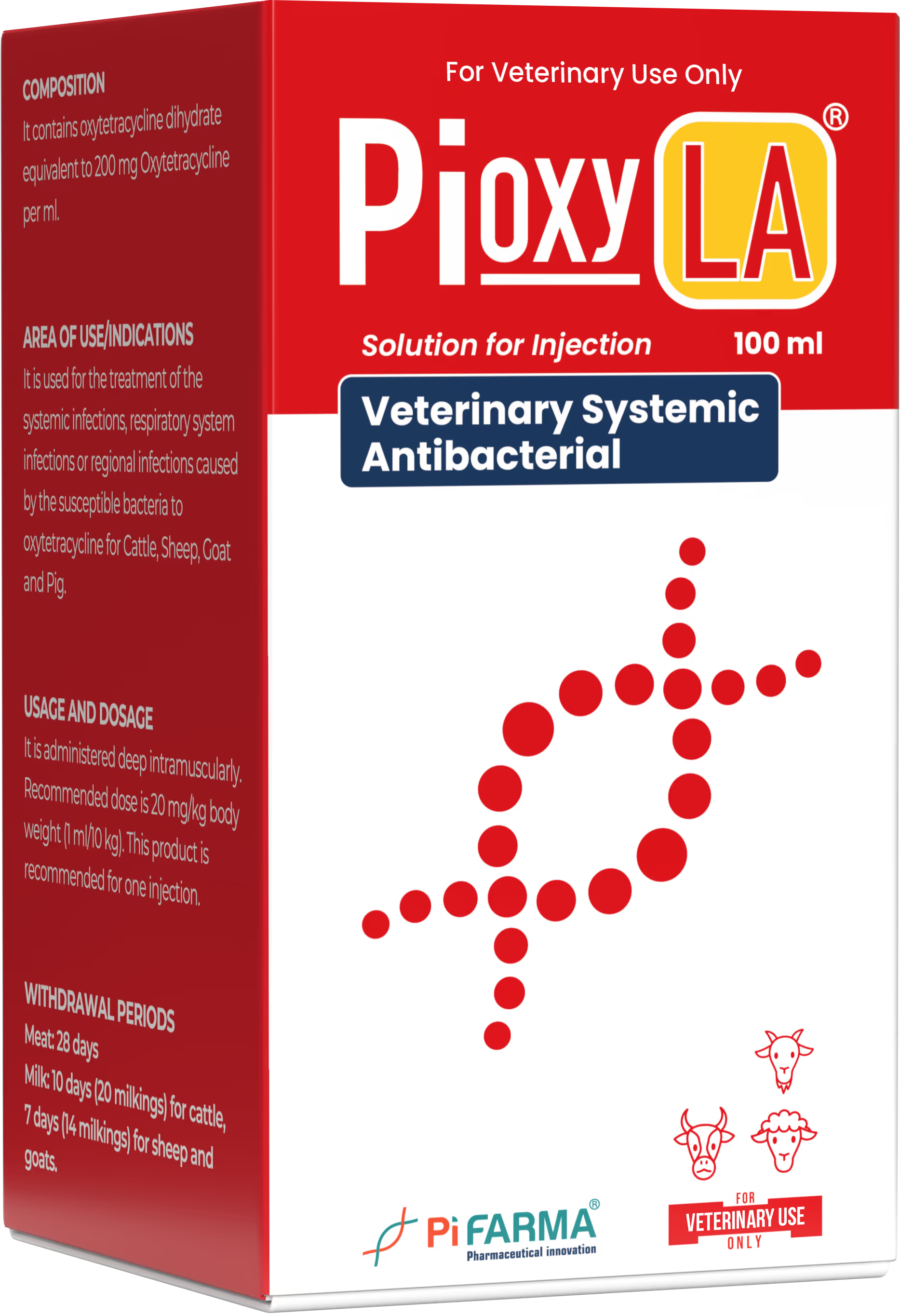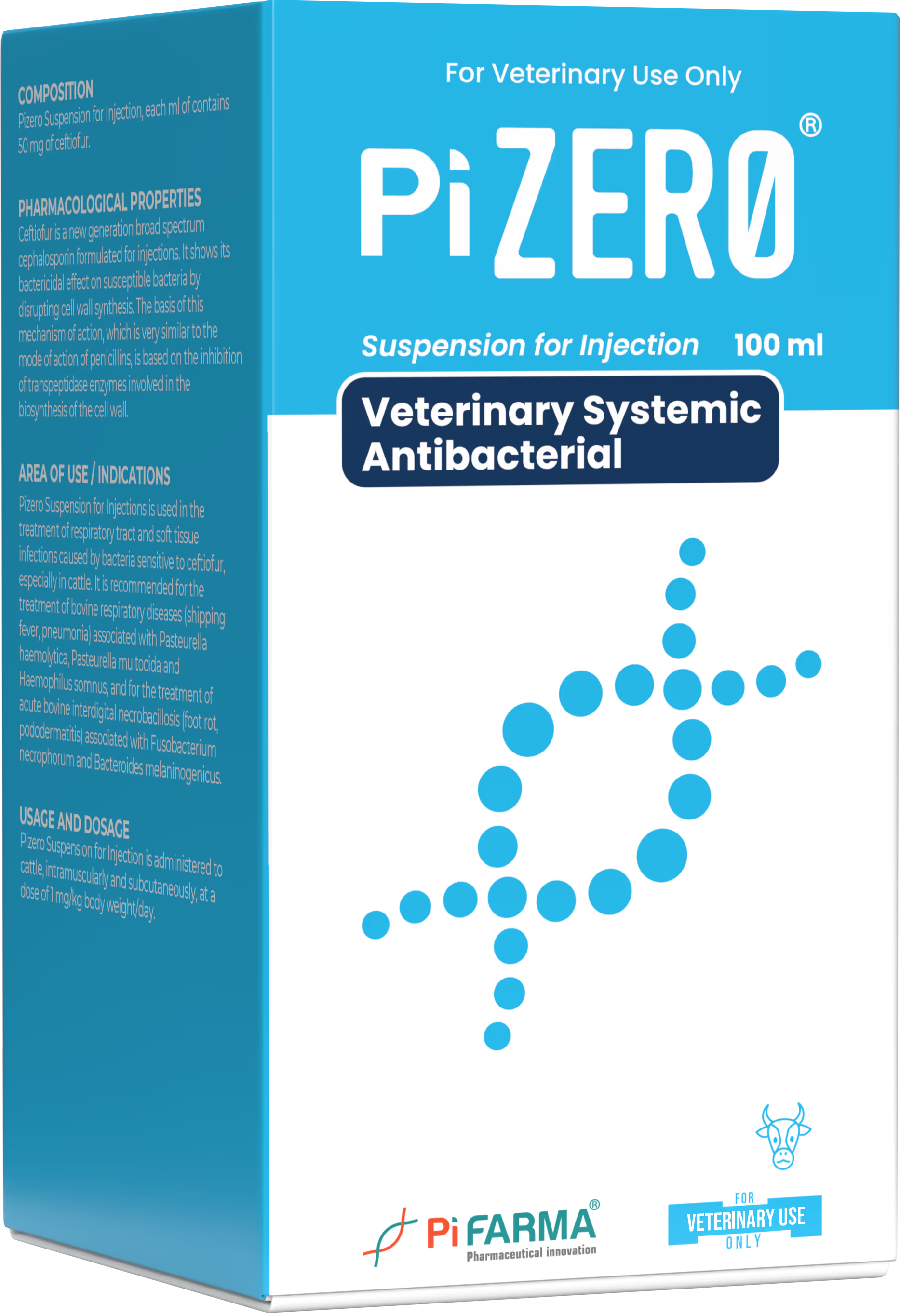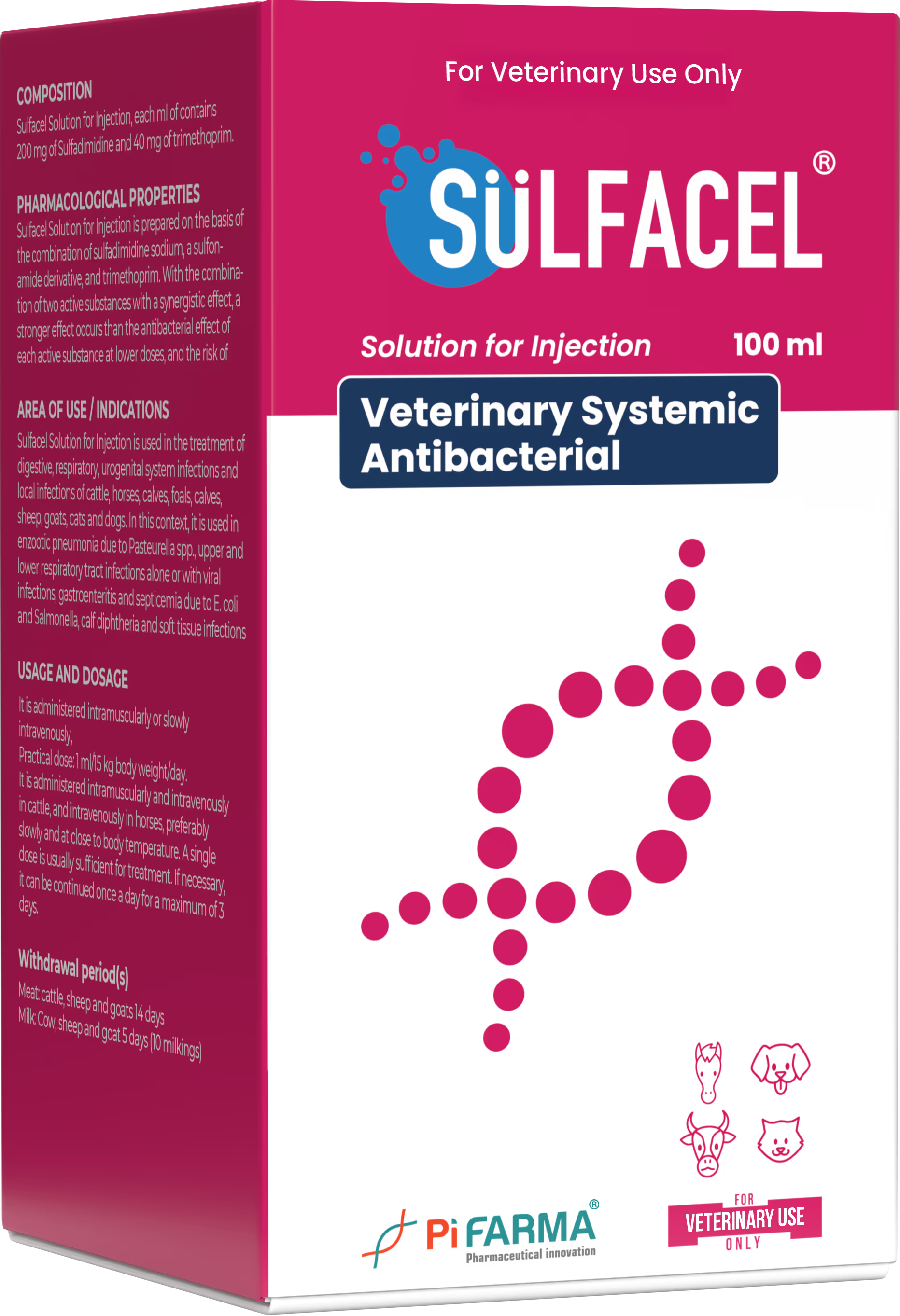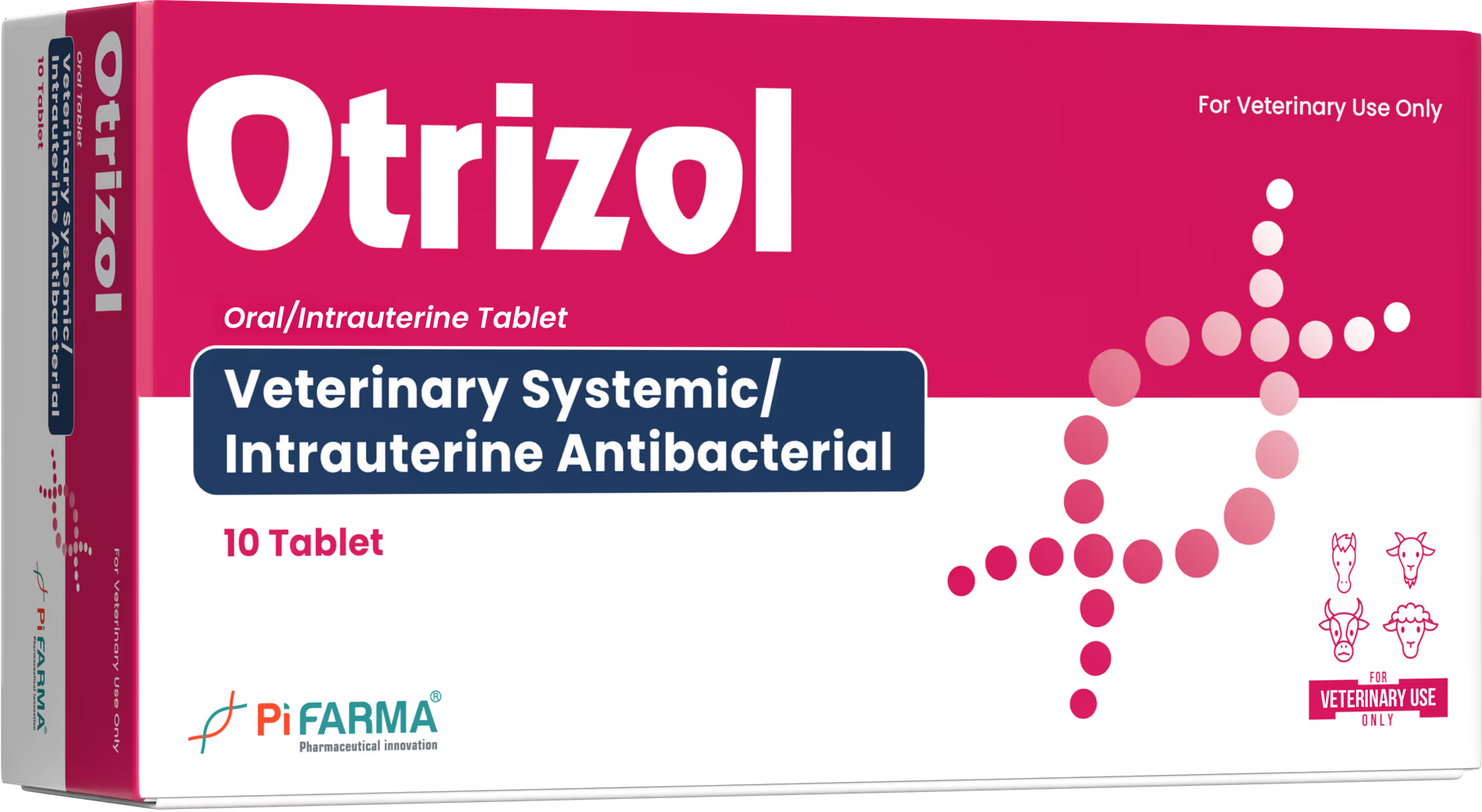
| - | - | - |
|---|---|---|
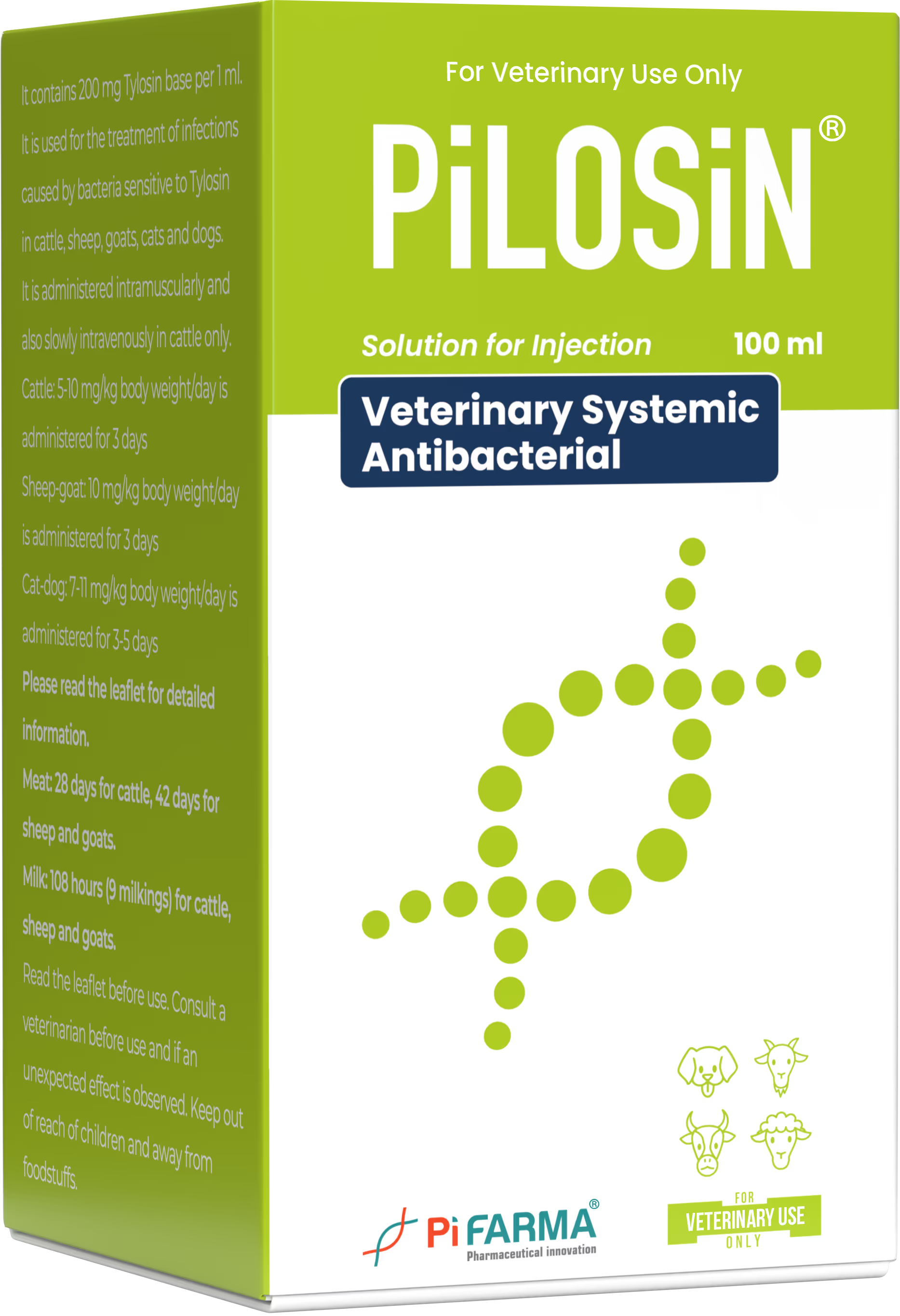
| Product Group | : | Antibacterials |
| Pharmaceutical Form | : | Solution for Injection |
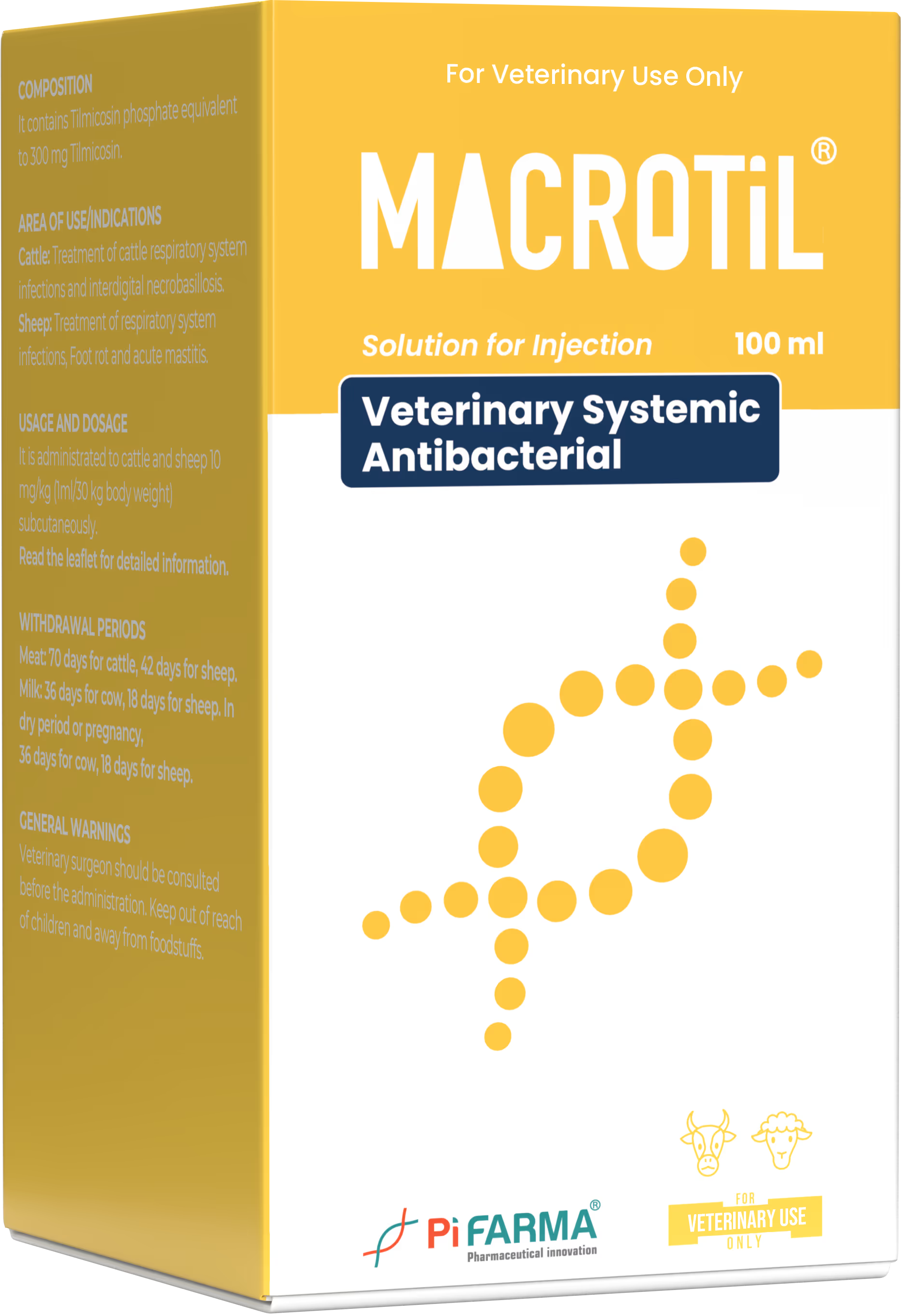
| Active Ingredient | : | Tylosin |
| Target Species | : | Cattle, Sheep, Goat, Dog, Cat |
| Package Form | : | 100 - 250 ml |
For Veterinary Use Only
For Veterinary Use Only
Solution for Injection
Veterinary Systemic Antibacterial
COMPOSITION
It is light yellow-yellow colored, clear sterile solution containing 200 mg Tylosin bas per ml.
PHARMACOLOGICAL PROPERTIES
Pharmacodynamic Properties
Tylosin is a macrolide antibiotic with 7.1 pKa. It is structurally similar to erythromycin. It is produced by Streptomyces fradiae. Its solubility in water is low. Similar to other macrolides, it acts by binding to the ribosome 50S fraction in bacteria and, as a result, inhibiting protein synthesis. It is mainly bacteriostatic. Its spectrum of action includes Gram-positive cocci (Staphylococci, Streptococci), Gram-positive bacilli (such as Erysipelothrix), some Gram-negative bacilli and Mycoplasma.
Resistance to tylosin is usually plasmid mediated, but modification of ribosomes by chromosomal mutation can also occur. Resistance develops in the form of decreased penetration into bacteria (mostly in Gram-negative bacteria), synthesis of bacterial enzymes that hydrolyze tylosin, and modification of the target site (ribosome). The last type of resistance can lead to cross-resistance with macrolides that bind to bacterial ribosomes. Gram-negative bacteria are often resistant.
Pharmacokinetics Properties
Absorbation:
Following intramuscular administration, tylosin concentration reaches its maximum level 3-4 hours after administration.
Distribution:
6 hours after administration, the maximum concentration in bovine milk increases 3-6 times compared to blood. 6-24 hours after intramuscular administration, its concentration in bovine lung reaches 7-8 times the serum concentration.
In cattle, the mean residence time of uterine secretion was measured 6-7 times more than serum when administered intravenously at a dose of 10 mg/kg. This results in a concentration above the MIC90 value required for Arcanobacterium pyogenes, which is often isolated from bovine metritis.
Excretion:
Tylosin is excreted unchanged with the bile and urine
AREA OF USE / INDICATIONS
Cattle (Adult)
Treatment of metritis, respiratory system infections caused by Gram-positive bacteria, mastitis caused by Streptococcus spp. and Staphylococcus spp., and interdigital necrobacillosis caused by Fusobacterium necrophorum.
Calves
Necrobacillosis (Fusobacterium necrophorum) and respiratory system infections,
Sheep-Goat
Metritis, respiratory system infections caused by Gram-positive bacteria,
Mastitis caused by Gram-positive bacteria or Mycoplasma spp.
Dog
Respiratory tract infections and otitis media caused by susceptible bacteria
Cat
Respiratory tract infections caused by susceptible bacteria.
USAGE AND DOSAGE
It is administered intramuscularly and also by slow intravenous route only in cattle.
Cattle: It is administered at a dose of 5-10 mg/kg body weight/day for 3 days (2.5-5 ml per 100 kg body weight per day). A maximum of 15 ml should be administered to an injection site.
Sheep-goat: It is administered at a dose of 10 mg/kg body weight/day for 3 days (2.5 ml per 50 kg body weight per day).
Cat-dog: It is administered at a dose of 7-11 mg/kg body weight/day for 3-5 days (0.35-0.55 ml for 10 kg body weight per day). For low amounts, an appropriate syringe that can dosing correctly should be used.
Appropriate multiple dosing means should be used to avoid excessive perforation of the plug. For correct dosing, the weight of the animals should be measured as accurately as possible.
SPECIAL CLINICAL INFORMATION AND SPECIAL WARNINGS FOR TARGET SPECIES
Due to differences in bacterial susceptibility to tylosin, bacteriological sampling and susceptibility testing are recommended.
Using this product in a manner other than that stated in this leaflet may result in an increase in the prevalence of tylosin-resistant bacteria and a decrease in the treatment efficacy of other macrolides due to possible cross-resistance. Official, national and regional antimicrobial policies should be taken into account in use.
Efficacy data do not support its use in bovine mastitis caused by Mycoplasma spp.
Inject at different sites in repeated injections.
Usage during pregnancy, lactation and laying:
Studies in laboratory animals have not shown evidence of teratogenic, fetotoxic or maternotoxic effects. There are no studies on target species during pregnancy and lactation. Should only be used according to the benefit/risk assessment of the veterinarian.
UNDESIRED EFFECTS
After application, staining may be seen at the injection site, which may last up to 21 days.
Very rarely, vulvar edema, swelling and inflammation at the injection site, anaphylactic shock and edema have been observed in cattle.
The following translation is used to report the frequency of adverse events;
- Very common (more than 1 in 10 animals)
- Common (more than 1 in 100 animals but less than 10)
- Uncommon (more than 1 in 1,000 animals but less than 10)
- Rare (more than 1 in 10,000 animals but less than 10)
- Very rare (less than 1 in 10,000 animals)
DRUG INTERACTIONS
Lincosamides and aminoglycosides may antagonize the effects of tylosin. Do not mix with other products.
SYMPTOMS OF OVERDOSE, PRECAUTIONS AND ANTIDOTE
No side effects were observed in calves administered at a dose of 30 mg/kg for 5 consecutive days.
WITHDRAWAL PERIODS
Meat: 28 days for cattle, 42 days for sheep and goats.
Milk: 108 hours (9 milkings) for cattle, sheep and goats.
CONTRAINDICATIONS
Do not apply to horses or other equids as it may cause death. Intramuscular administration to chickens and turkeys may be fatal. It is not applied to animals known to be sensitive to the excipients and active ingredients in its composition or to other macrolide antibiotics.
GENERAL WARNINGS
Consult your veterinarian before use and in case of an unexpected effect. Keep out of reach of children.
PRECAUTIONS TO BE TAKEN BY THE ADMINISTRATOR AND WARNINGS FOR VETERINARY SURGEON
Precautions should be taken to avoid accidental self-injection.
In case of accidental self-injection, seek immediate medical attention.
In case of skin contact, wash the area with plenty of soap and water. In case of eye contact, rinse the eye with plenty of running water.
Wash hands after use.
Tylosin can cause irritation. Exposure to macrolides such as tylosin by injection, inhalation, ingestion or dermal contact may cause hypersensitivity (allergy) reactions. Hypersensitivity to tylosin may cause cross-sensitivity to other macrolides (or vice versa). Allergic reactions may be rarely serious, so direct contact should be avoided.
Do not use the product if you are sensitive to one of the ingredients. If symptoms such as skin rash occur, see a doctor, show this warning and seek immediate medical attention. Symptoms such as swelling of the face, lips or eyes or difficulty breathing are very serious and require immediate medical attention.
STORAGE CONDITIONS AND SHELF LIFE
It should be stored in the original packaging, below 25°C, without being refrigerated or frozen. Shelf life is 2 years.
DISPOSAL AFTER USE AND WARNINGS FOR NON-TARGET SPECIES
Any used veterinary medicinal product or its residual material should be disposed of in accordance with local regulations.
COMMERCIAL PRESENTATION FORMS
Offered for sale in 100 and 250 ml amber colored glass bottles in cardboard boxes.
PLACE AND CONDITIONS OF SALE
Sold with Veterinary Surgeon’s prescription in pharmacies and veterinary surgeries (VSP).
APPROVAL DATE OF PACKAGE INSERT: 27.04.2022
MARKETING AUTHORIZATION DATE AND NO: 21.05.2012 – 026/0008
MARKETING AUTHORIZATION HOLDER
Pİ FARMA İLAÇ SAN. VE TİC. A.Ş.
Malıköy Başkent OSB Mah. 26. Cad. No:34/A Sincan/Ankara-Türkiye
MANUFACTURER COMPANY
1- Pİ FARMA İLAÇ SAN. VE TİC. A.Ş.
Malıköy Başkent OSB Mah. 26. Cad. No:34/A Sincan/Ankara-Türkiye
Made in Turkiye