| - | - | - |
|---|---|---|
| Product Group | : | Anti-Inflammatory |
| Pharmaceutical Form | : | Solution for Injection |
| Active Ingredient | : | Flunixin Meglumine |
| Target Species | : | Cattle, Horse |
| Package Form | : | 50-100-250 ml |
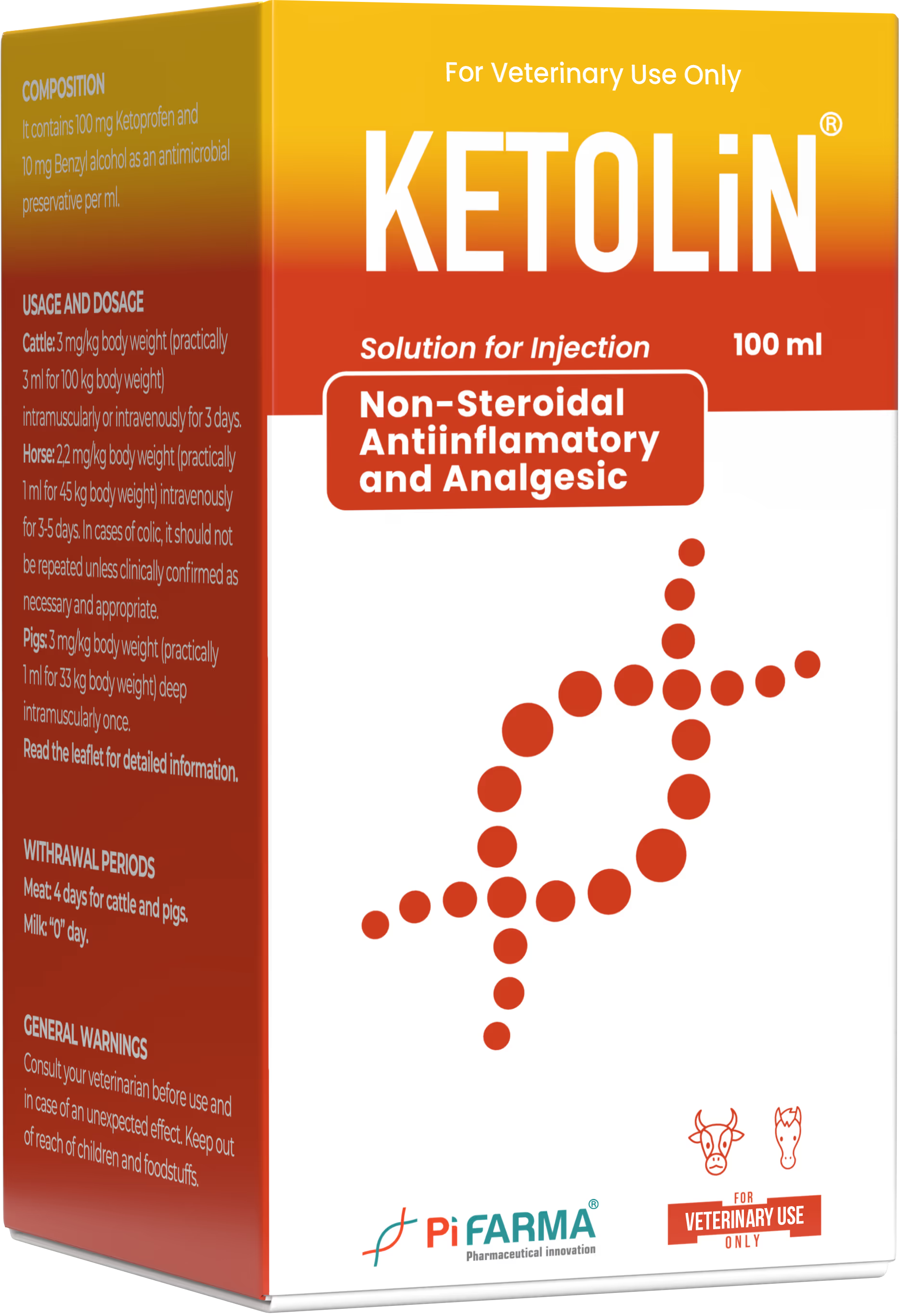
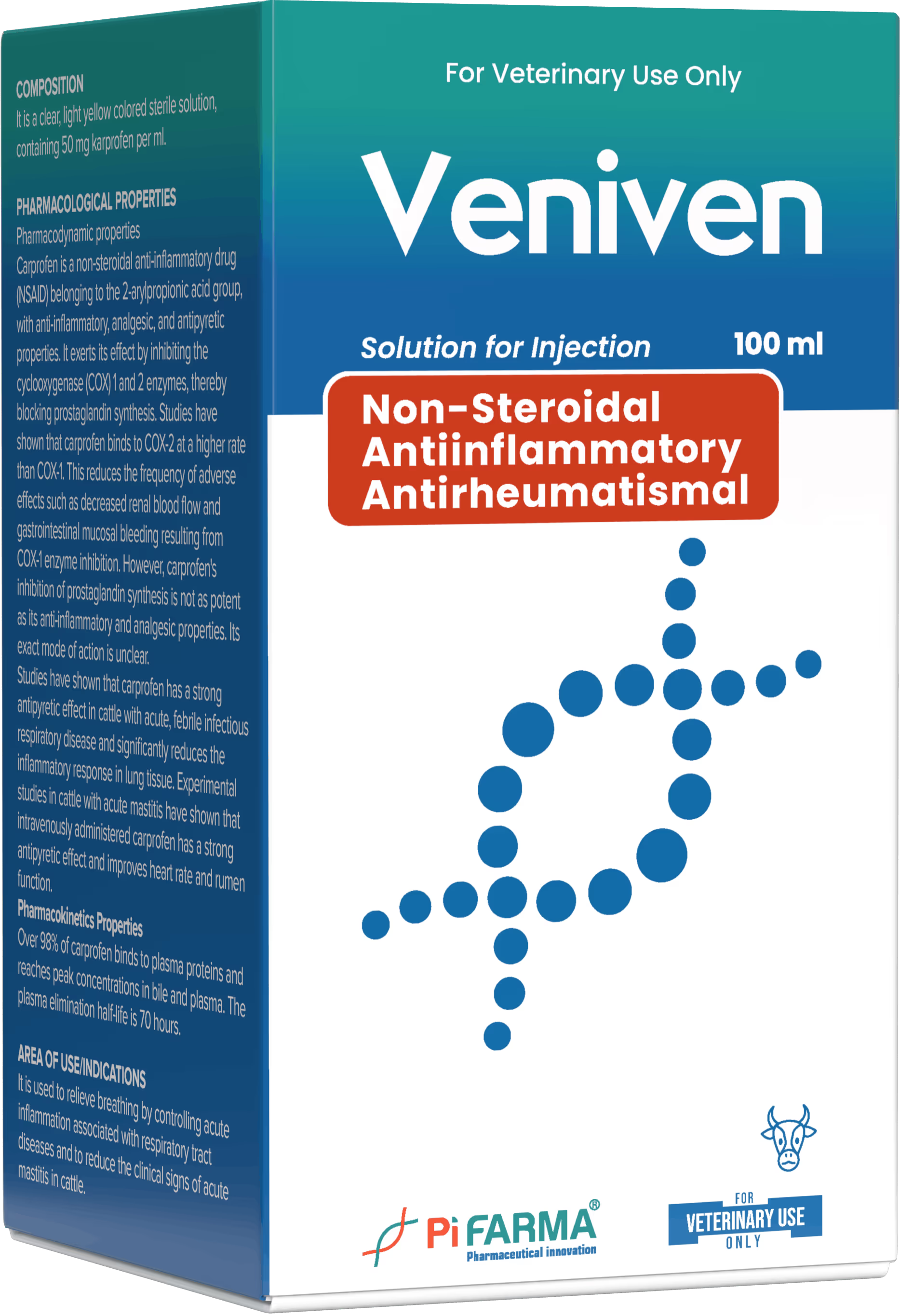
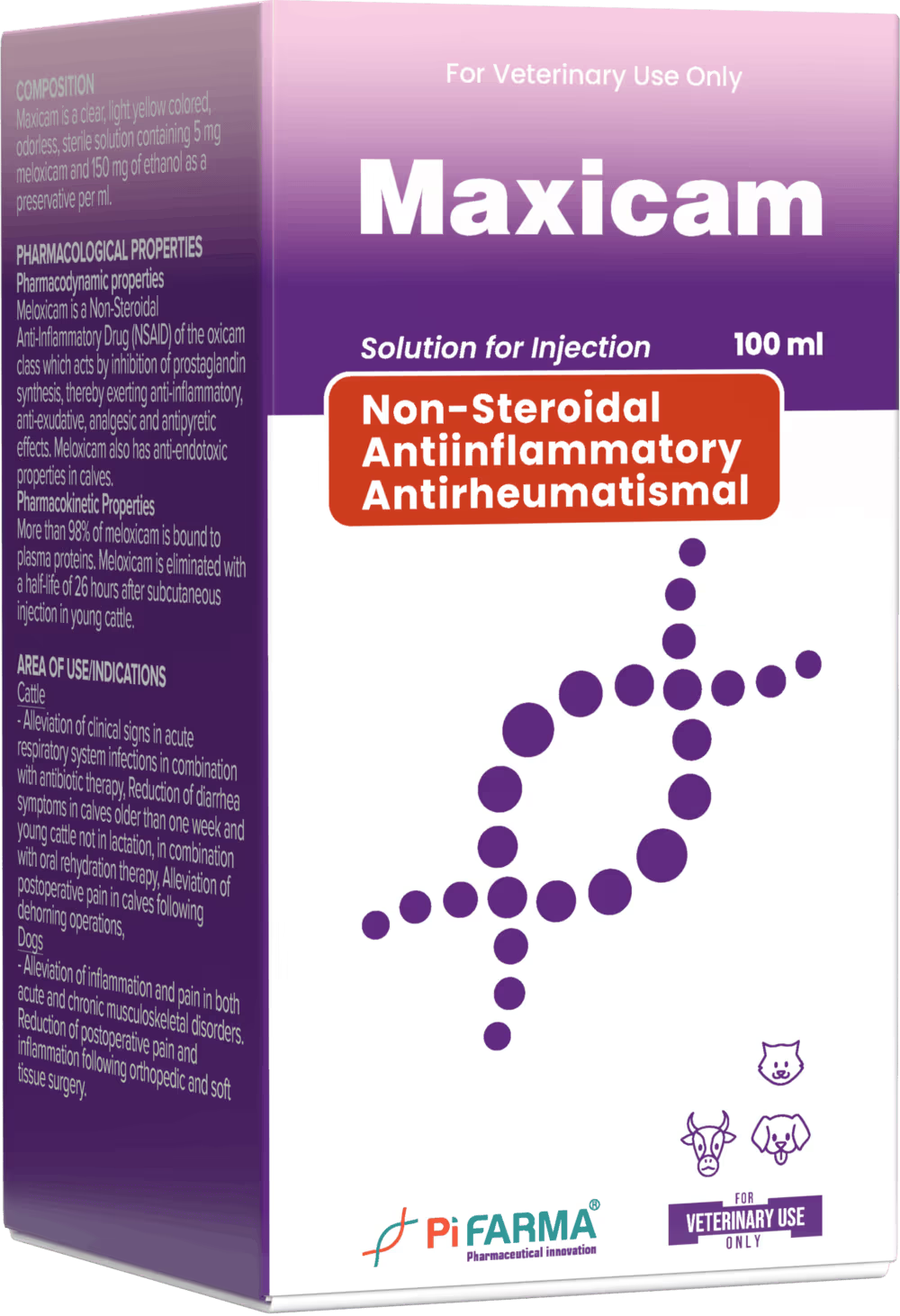
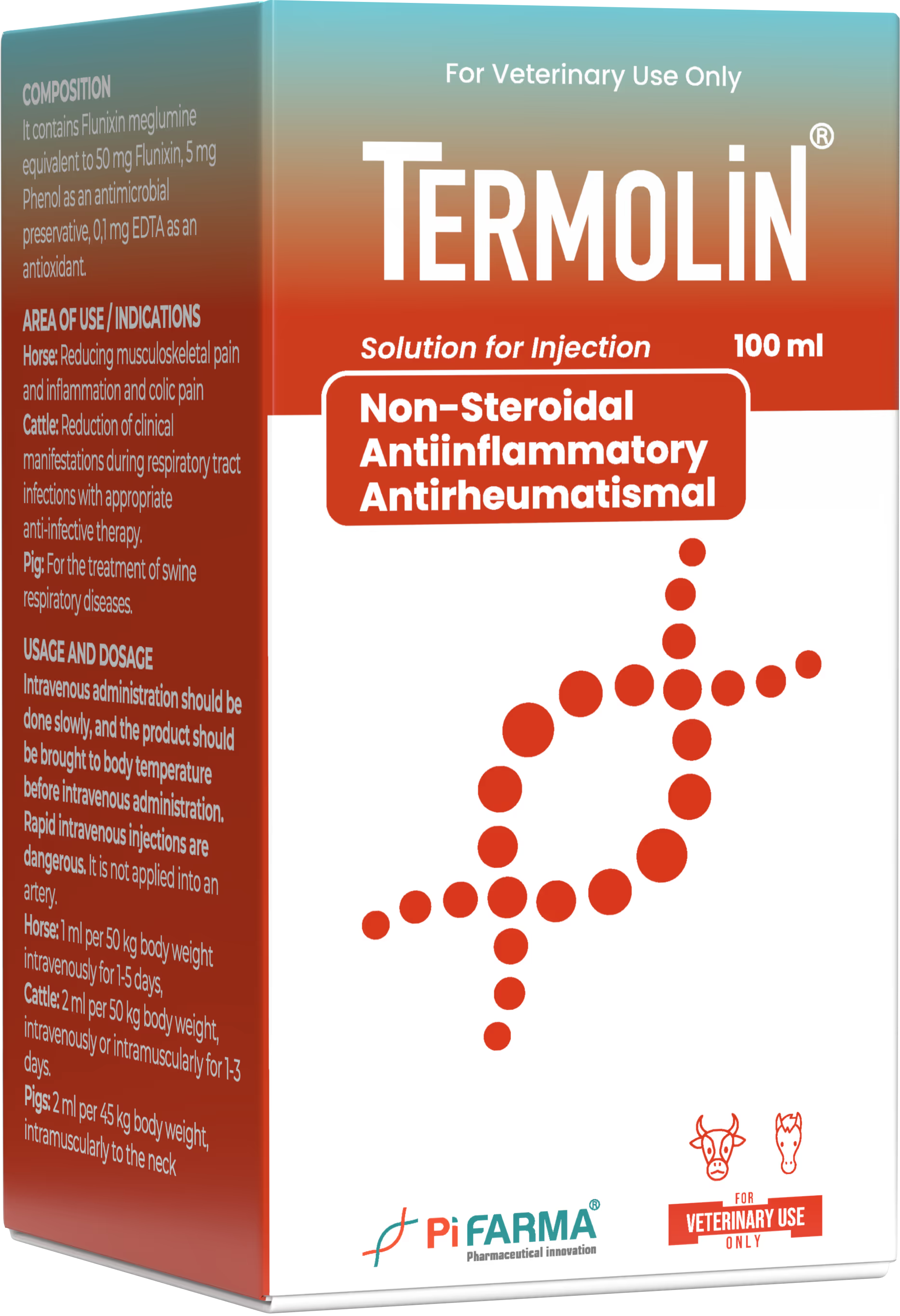
For Veterinary Use Only
For Veterinary Use Only
Solution for Injection
Non-Steroid Anti-inflammatory, Antirheumatic
COMPOSITION
Termolin Solution for Injection is a colorless, clear, odorless sterile solution containing Flunixin meglumine equivalent to 50 mg Flunixin per ml.
PHARMACOLOGICAL PROPERTIES
Pharmacodynamic properties
Flunixin meglumine is a reversible non-selective inhibitor of the cyclooxygenase enzyme, which causes the conversion of arahidonic acid to cyclic endoperoxides, which are then converted to prostaglandins, prostacyclins, and thromboxanes.
Flunixin acts as a non-selective reversible inhibitor of the enzyme COX (cyclooxygenase), which converts arachidonic acid to unstable cyclic endoperoxides, which are converted to prostaglandins, prostacyclins, and thromboxanes.
Some of these prostanoids, such as prostaglandin, are involved in the pathophysiology of inflammation, fever, and pain. Inhibition of the synthesis of these compounds is the reason for the therapeutic effect of flunixine.
Inhibition of the cyclooxygenase enzyme, due to the involvement of prostaglandins in other physiological processes, is also responsible for its gastrointestinal and renal side effects. Prostaglandins form part of the complex process in the development of endotoxic shock.
Pharmacokinetic Properties
After intravenous administration at a dose of 1 mg/kg in horses, there is rapid distribution with an elimination half-life of approximately 2 hours. It is excreted in the urinary tract mainly in conjugated form.
After intramuscular administration at a dose of 2 mg/kg in cattle, the maximum intensity is achieved approximately 30 minutes after administration. In intravenous administration, a rapid distribution and a slow excretion are observed. It has a high binding rate to plasma proteins.
AREA OF USE / INDICATIONS
Horse: Reducing musculoskeletal pain and inflammation and colic pain
Cattle: Reduction of clinical manifestations during respiratory tract infections with appropriate anti-infective therapy.
Pig: For the treatment of swine respiratory diseases.
USAGE AND DOSAGE
Intravenous administration should be done slowly, and the product should be brought to body temperature before intravenous administration. Rapid intravenous injections are dangerous. Read the other chapters. It is not applied into an artery.
Horse: In order to alleviate pain and inflammation in musculoskeletal disorders; It is administered intravenously at a dose of 1 mg/kg body weight/day (1 ml per 50 kg body weight) for 1-5 days. In order to reduce colic pain; It is administered intravenously at a dose of 1 mg/kg body weight/day (1 ml per 50 kg body weight). As colic recurs, it can be repeated 1-2 times.
Cattle: 2 mg/kg body weight/day (2 ml per 50 kg body weight) administered intravenously or intramuscularly for 1-3 days. Doses greater than 20 ml should be applied to at least two different sites.
Pigs: 2.2 mg/kg body weight/day (2 ml per 45 kg body weight) administered intramuscularly to the neck with appropriate antimicrobial therapy. The injection volume should be limited to a maximum of 5 ml per injection site. When intramuscular injection is used, the dose should be divided between two injection sites on either side of the neck.
SPECIAL CLINICAL INFORMATION AND SPECIAL WARNINGS FOR TARGET SPECIES
It is not administered into an artery.
Use of this product in animals younger than 6 weeks of age or older increases the risks associated with the drug.
If the use of the drug is unavoidable, the dose should be reduced and careful clinical monitoring should be performed.
Because NSAIDs generally inhibit prostaglandin synthesis, administration of these products should be avoided in animals under general anesthesia before full awakening has occurred. Do not use in dehydrated, hypovolemic and hypotensive animals, except septic shock or endotoxemia.
Rarely, fatal shock may occur after intravenous administration of products containing Propylene glycol.
The drug should be administered slowly and at body temperature. If intolerance develops, drug administration should be stopped and shock therapy should be applied if necessary.
Due to its anti-inflammatory effect, it may mask clinical signs and therefore possible resistance to the antibiotic used may be overlooked.
Using immediately after delivery may cause retention of secundinarum by inhibiting uterine involution and excretion of fetal membranes.
NSAID-containing products may cause inhibition of phagocytosis and therefore it should be noted that appropriate antimicrobial therapy may be required in the treatment of inflammatory conditions related to bacterial infections.
It should not be used in piglets weighing less than 6 kg.
Use during pregnancy: In laboratory animal studies, it has been shown that oral administration of flunixin at maternotoxic doses to rabbits and rats and intramuscularly to rats causes foetotoxicity and an increase in gestational age in rats.
The safety of the product in pregnant mares, stallions, breeding bulls and pregnant sows has not been proven. Therefore, it should not be used in these animals. Its safety has been demonstrated in cattle. It should not be used in this animals within 48 hours before birth. (see contraindications and side effects section)
The product can be used 36 hours after birth, taking into account the risk/benefit assessment of the veterinarian and the risk of placental retention (increases the rate of product retention)
UNDESIRED EFFECTS
Bleeding, damage to the digestive tract (irritation, gastric ulcer), vomiting and kidney damage may occur, especially in dehydrated or hypovolemic animals. Like other NSAIDs, rare or idiosyncratic hepatic renal side effects may occur. In case of side effects, drug administration should be stopped and a veterinarian should be consulted. Rarely, fetal anaphylactic reaction (collapse) has been observed in cattle and horses, particularly with rapid intravenous administration. It can cause changes in blood values.
Watery stools and blood in the stool have been reported after intravenous administration in horses.
In horses and cattle, a reaction may occur at the injection site for intramuscular administration. The product has a tocolytic effect by inhibiting the synthesis of prostaglandins responsible for initiation of labor, so it may delay labor or increase the risk of miscarriage.
Rapid intravenous administration may cause collapse.
In pigs, transient irritation may occur at the injection site, this resolves spontaneously within 14 days.
See the warnings in the section on use during pregnancy, lactation and ovulation.
DRUG INTERACTIONS
Due to the risk of increased toxicity, especially the effects on the digestive system, including low doses of acetylsalicylic acid, it should not be used with other NSAID products or within 24 hours of administration of these products. Some NSAID drugs are highly bound to plasma proteins and may increase the toxic effect of other drugs with this property. Flunixin increases the effect of warfarin and other drugs that bind to plasma proteins. Therefore, this issue should be considered in concomitant therapy.
It should not be used with corticosteroids due to the possibility of increasing the toxicity of both products and ulceration in the digestive tract. Flunixine may reduce the effect of some antihypertensive drugs such as diuretics (ACE inhibitors), ACE inhibitors and beta clokers by inhibiting prostaglandin synthesis.
It should not be administered concomitantly with other potentially nephrotoxic drugs, especially aminoglycosides. Flunixin may increase the toxicity of some drugs such as aminoglycosides by delaying their renal excretion.
SYMPTOMS OF OVERDOSE, PRECAUTIONS AND ANTIDOTE
Flunixin is a nonsteroidal anti-inflammatory. Overdose is particularly related to gastrointestinal toxicity. Ataxia and incoordination may be seen. In horses, a transient increase in blood pressure may occur with intravenous administration of 3 times the recommended dose (3 mg/kg body weight). No side effects were observed in intravenous administration of 3 times the recommended dose (6 mg/kg) in cattle.
WITHDRAWAL PERIODS
Meat: 31 days for intramuscular, 10 days for intravenous administration to cattle, 22 days for pigs.
Milk: 36 hours (3 milkings) for intramuscular, 24 hours (2 milkings) for intravenous administration.
CONTRAINDICATIONS
Do not administer to animals with chronic musculoskeletal problems, with liver, kidney or heart disease.
It is not applied to animals with lesions in the digestive system (such as ulcers, bleeding).
Do not apply to animals with hemorrhagic disease.
It is not administered to animals known to be sensitive to any substance in its composition or to other NSAIDs.
It is not used in cases of colic associated with dehydration and ileus (intestinal obstruction).
Do not use within 48 hours before expected calving in cows, otherwise there is a possibility of miscarriage.
Do not administer to pregnant mares and pregnant sows.
See the warnings in the section on use during pregnancy, lactation and ovulation.
GENERAL WARNINGS
Consult your veterinary surgeon before using and in case an unexpected effect is observed.
Keep out of reach of children.
PRECAUTIONS TO BE TAKEN BY THE ADMINISTRATOR AND WARNINGS FOR VETERINARY SURGEON
The product may cause sensitivity reactions. Individuals sensitive to anti-inflammatory products should not use the product. Intolerance reactions can reach serious dimensions. In case of contact with the skin, the area should be washed with plenty of soap and water. If symptoms persist, seek medical treatment. In case of contact with the eyes, the eyes should be washed with plenty of water and medical treatment should be sought. In case of contact with the eyes, rinse the eyes with plenty of water and seek medical treatment. In order to avoid oral exposure to the product, nothing should be eaten or drunk during application, and hands should be washed after use. In case of accidental swallowing, seek medical advice. If you accidentally inject yourself, you should go to a health center with the product's package insert and label and get treatment.
STORAGE CONDITIONS AND SHELF LIFE
It should be stored below 25°C in the original package, without being frozen or placed in the refrigerator. Shelf life is 2 years. It should be consumed within 28 days after the first use.
COMMERCIAL PRESENTATION FORM
Offered for sale in 50 ml, 100 ml amber colored glass vials with cardboard boxes.
PLACE AND CONDITIONS OF SALE
Sold with Veterinary Surgeon’s prescription in pharmacies, veterinary clinics, polyclinics and animal hospitals (VSP).
APPROVAL DATE OF THE PACKGAGE INSERT: 17.04.2026
MARKETING AUTHORIZATION DATE AND NO:26.12.2003 - 012/0091
MARKETING AUTHORIZATION HOLDER
Pİ FARMA İLAÇ SAN. VE TİC. A.Ş.
Malıköy Başkent OSB Mah. 26. Cad. No:34/A Sincan/Ankara-Türkiye
MANUFACTURER COMPANY
1- Pİ FARMA İLAÇ SAN. VE TİC. A.Ş.
Malıköy Başkent OSB Mah. 26. Cad. No:34/A Sincan/Ankara-Türkiye
Made in Turkiye