| - | - | - |
|---|---|---|
| Product Group | : | Hormones |
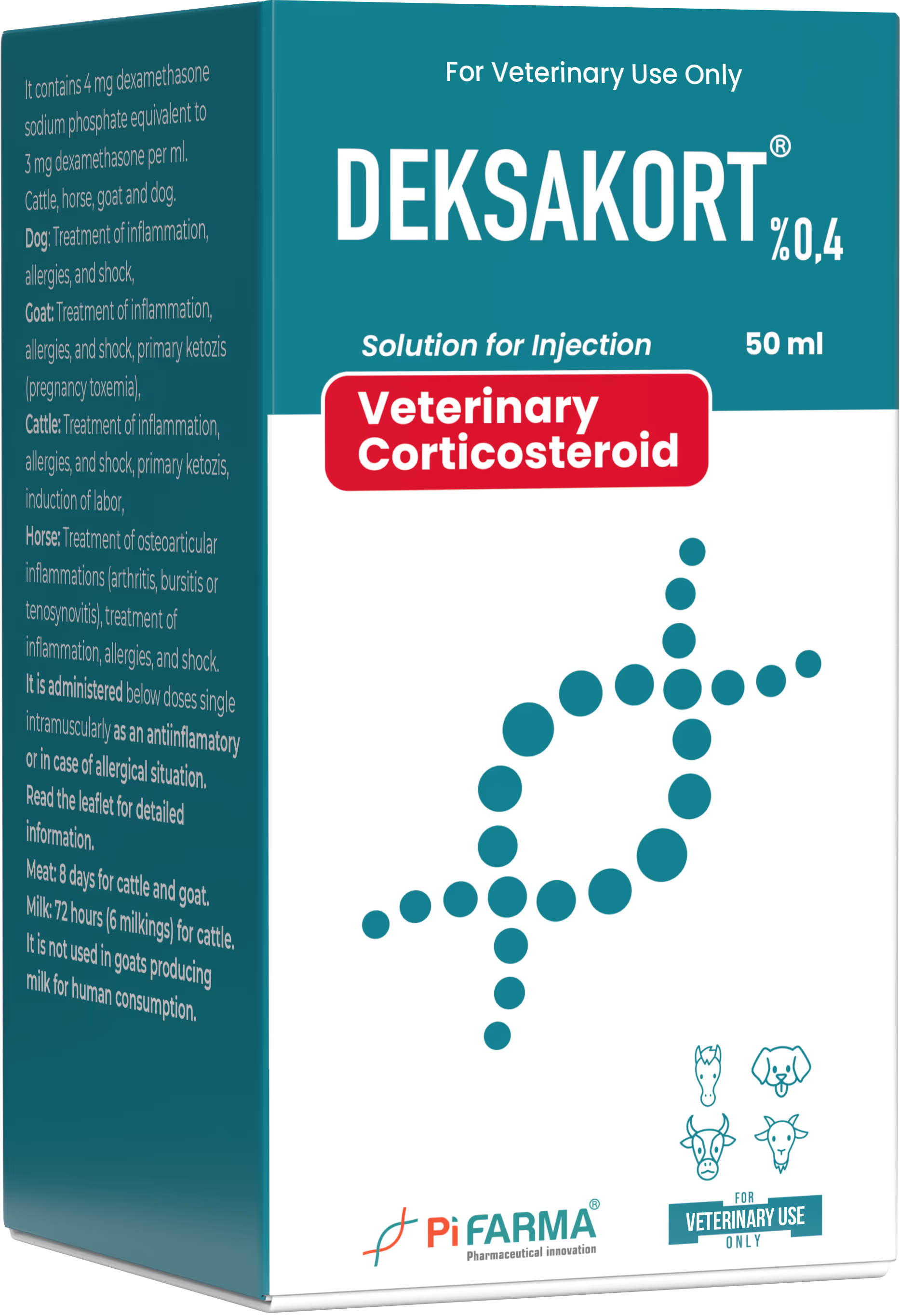
| Pharmaceutical Form | : | Solution for Injection |
| Active Ingredient | : | Dexamethasone Sodium Phosphate |
| Target Species | : | Cattle, Horse, Goat, Dog |
| Package Form | : | 50 ml |
For Veterinary Use Only
For Veterinary Use Only
Solution for Injection
Veterinary Corticosteroid
COMPOSITION
It is clear, colorless steril solution containing 4 mg dexamethasone sodium phosphate equivalent to 3 mg dexamethasone per ml.
PHARMACOLOGICAL PROPERTIES
Pharmacodynamic Properties
Dexamethasone is a fluoro-metic derivative of prednisolone with immunosuppressive, antiallergic and anti-inflammatory effects. It stimulates gluconeogenesis, as a result of which blood sugar level rises. While the effect of mineralocorticoids is minimal, the relative potency expressed by the anti-inflammatory effect of Dexamethasone is about 25 times higher than that of hydrocortisone. It has a shock-preventing and labor-inducing effect. It inhibits capillary dilatation, functions and migration of leukocytes, and suppresses phagocytosis.
Pharmacokinetic Properties
The product has a fast onset effect and the effect is short-lived (approximately 48 hours). The ester form is rapidly absorbed and metabolized to dexamethasone by hydrolysis by administration other than intravenous route. It reaches to the maximum plasma concentration 20 minutes after the administration in cattle, horses and dogs. The bioavailability for intramuscular administration is almost 100%. The elimination half-life is 5-20 hours depending on the species after intravenous and intramuscular administration.
AREA OF USE / INDICATIONS
Target species: Cattle, horse, goat and dog.
Dog: Treatment of inflammation, allergies, and shock,
Goat: Treatment of inflammation, allergies, and shock, primary ketosis (pregnancy toxemia),
Cattle: Treatment of inflammation, allergies, and shock, primary ketosis, induction of labor,
Horse: Treatment of osteoarticular inflammations (arthritis, bursitis or tenosynovitis), treatment of inflammation, allergies, and shock.
USAGE AND DOSAGE
It is administered below doses single intramuscularly as an antiinflamatory or in case of allergical situation.
|
Species |
Route |
Pharmacological Dose |
Practical Dose |
|
Horse, Cattle |
Intramuscularly, Intravenously, Subcutaneously |
0.06 mg/kg dexamethasone |
1,5 ml product for 100 kg body weight |
|
Goat |
Intramuscularly, Intravenously, Subcutaneously |
0.06 mg/kg dexamethasone |
0,5 ml product for 33 kg body weight |
|
Dog |
Intramuscularly, Subcutaneously |
0.1 mg/kg dexamethasone |
0,5 ml product for 20 kg body weight |
For the treatment of primary ketosis in cattle;
0,02-0,04 mg/kg Dexamethasone (1-2 ml product/200 kg bw) is administered single dose intramuscularly. If symptoms persist or recure, an upper dose limit (0.04 mg/kg) may be required. Care should be taken not to overdose in the Channel Island breed.
Initiation of birth in cattle;
A single dose of 5 ml is administered intramuscularly from the 260th day of pregnancy. The birth should start 48-72 hours after administration.
For the treatment of arthritis, bursitis or tenosynovitis in horses;
0.5-2.5 ml is applied intra-articular.
This amount is for guidance purposes only, the veterinary surgeon must decide the amount. In intra-articular or bursa applications, the amount of fluid should be withdrawn from the application site.
Asepsis rules should be followed at the highest level.
Asepsis rules should not be neglected in all applications. Appropriate syringes should be used to make an accurate dosage for doses smaller than one ml. Stopper is not punctured more than 74.
SPECIAL CLINICAL INFORMATION AND SPECIAL WARNINGS FOR TARGET SPECIES
Using for initiation of labor in cattle can increase the probability of retention and subsequent metritis and/or latent infertility is high, also can reduce calf Survivor rate.
When it is used for the treatment of laminitis in horses, the possibility of worsening the condition should be considered. It can only be used at the initial stage in laminitis. Use of this product for other conditions may cause laminitis in horses, therefore careful observation is required during treatment.
During treatment, the effective dose suppresses the hypothalamic-pituitary-adrenal axis (HPA). After treatment, signs of adrenal insufficiency up to adrenocortical atrophy may occur, which can later lead to animals not being sufficiently resistant to stressful situations. Therefore, in order to minimize the problems associated with post-treatment adrenal insufficiency, precautions such as concomitant administration with endogenous cortisol peaks (morning in dogs) and gradual reduction of the dose should be considered.
Usage in young or old animals may increase the side effects. Therefore, dose reduction and clinical monitoring are required in these animals. During the treatment, the situation should be closely monitored by the veterinarian.
In the presence of bacterial infection, antibacterial products should be used together with steroids. In the presence of infection, steroids can worsen the condition and exacerbate the infection.
Apart from induction of labor and ketosis, administration of corticosteroids is aimed at improving clinical symptoms rather than treatment. Therefore, the underlying cause of the disease should be investigated.
Due to immunosuppression, corticosteroids may reduce the response to vaccination. Therefore, vaccines and steroids should not be administered concomitantly.
It should only be used in lactating animals according to the benefit/risk assessment of the veterinarian.
After intra-articular applications, the use of the joint for 1 month should be minimized and surgical operation should not be performed before 8 weeks after the administration of the product.
Use in Pregnancy: It is not recommended for use in pregnant animals except using for induction of labor. Fetal abnormalities have been observed in the studies with laboratory animals when used in early pregnancy. Use in late pregnancy causes premature birth or abortion. Usage in lactating animals may cause a temporary decrease in the amount of milk.
ADVERSE EFFECTS
Corticosteroids are known to have a large number of side effects. Generally, single doses are well tolerated, while serious side effects can occur with long-term use or use of long-acting ester forms. Therefore, minimum doses should be used to control the symptoms of the disease in intermediate and long term use.
Steroids during treatment can cause Cushing syndrome-like effects on protein, fat, mineral and carbohydrate metabolism, as a result of which redistribution of body fat, weakness and loss in muscles, osteoporosis can occur.
Steroids can cause diabetogenic effects, with decreased glucose tolerance, worsening of steroid-induced diabetus mellitus.
Corticosteroids administered systemically can cause polyuria, polydipsia and polyphagia, especially in the early stages of treatment. Some corticosteroids can cause sodium and water retention and hypokalemia during long-term use. Systemic corticosteroids cause calcium to accumulate in the skin (calcinosis cutis).
Steroids can increase the risk of thrombosis.
Steroid administration leads to ACTH suppression and reversible atrophic inactivation of the adrenal glands.
Convulsive threshold reduction, late epilepsy, euphoric effects and excitation may occur after steroid applications.
Corticosteroids can cause atrophy of the skin.
corticosteroids can delay wound healing, reduce resistance to infections due to an immune suppressing effect, or cause an exacerbation of existing infection, and delay healing of bones and arthropathy.
Causticosteroids can cause ulceration in the gastrointestinel system, and ulceration can be made more severe by steroids in patients with spinal cord trauma and previously administered NSAID group medication.
Steroids can cause liver enlargement (hepatomagaly) and an increase in serum hepatic enzymes.
Steroids can cause changes in hematological and biochemical blood parameters. Hyperglycaemia may occur temporarily.
Rarely, hypersensitivity reactions are possible.
Its use for birth initiation in cattle may increase the probability of metritis and / or latent infertility that may develop after retention, and also decrease the calf survival rate.
Corticosteroids may increase the risk of acute pancreatitis.
Steroids can cause behavioral changes in cats and dogs (rarely depression in dogs and cats and aggressiveness in dogs)
Side effects such as developmental retardation, eye effects (cataracts, glaucoma) can also be seen due to its destructive effects on hypertonia, edema, hypocalcemia, bone growth and marrow.
DRUG INTERACTIONS
Since steroids suppress the immune response, they should not be used together with vaccines.
It should not be administered concomitantly with other anti-inflammatory drugs that cause gastrointestinal ulceration.
May increase the toxicity of cardiac glycosides due to the possibility of causing hypokalemia.
Concomitant use with amphotericin B may increase the hypokalemic effect of glucocorticoids.
Glucocorticoids may suppress hepatic metabolism of cyclophosphamide, therefore dose adjustment may be required.
Dexamethasone may cause a decrease in diazepam levels.
Ephedrine may cause a decrease in the blood level of dexamethasone and an error in the dexamethasone suppression test.
The risk of hypokalaemia may be increased if dexamethasone is administered concomitantly with diuretics, due to potassium excretion.
Concomitant use with cholinesterase inhibitors in patients with myasthenia gravis may cause muscle weakness.
Glucocorticoids antagonize insulin.
Phenobarbital, phenytoin and rifampicin may suppress the effect of dexamethasone.
Concomitant use of anticholinergic drugs such as atropine with dexamethasone may result in increased intraocular pressure.
Ketoconazole and other azole antifungals may cause decreasing glucocorticoid metabolism and blood levels of dexamethasone to remain elevated. Ketoconazole may cause adrenal insufficiency by suppressing the synthesis of adrenal corticosteroids after glucocorticoid administration is discontinued.
Macrolide antibiotics (erythromycin, clarithromycin) may slow the metabolism of glucocorticoids, resulting in an increase in the blood concentration of dexamethasone.
Mitonate may cause alterations in steroid metabolism. Higher doses may be needed to treat mitonate-induced adrenal insufficiency.
SYMPTOMS OF OVERDOSE, PRECAUTIONS AND ANTIDOTE
High doses of corticosteroids cause apathy and lethargy in horses. High doses can also cause thrombosis, as it increases the tendency to clot. Continuous high-dose administration may result in the development of Cushing's syndrome.
WITHDRAWAL PERIODS
Meat: 8 days for cattle and goat.
Milk: 72 hours (6 milkings) for cattle. It is not used in goats producing milk for human consumption.
CONTRAINDICTAIONS
This product is not used in animals with diabetes, chronic nephritis, kidney disease, congestive heart failure, hyperadrenocorticism and osteoporosis, except in emergency situations.
Corticosteroids can be used together with an appropriate antibiotic or chemotherapy in infectious diseases. It is not used in viral infections during viremia period.
Contraindicated in immunocompromised animals, septic conditions, mycosis and parasitosis.
Not for use in animals with corneal or gastrointestinal ulcers or demodecosis.
Not for use in animals with Cushing's syndrome.
Not for use in animals with cataracts or glaucoma.
It is not used intraarticularly in cases where it is not certain that there is no aseptic bone necrosis, bacterial infection or fracture.
Not for use in animals with pancreatitis, hypertonia or hypocalcemia.
It is not used during vaccination.
It is not used in animals sensitive to any of the substances in its composition.
It is not used in aseptic bone necrosis, poorly healing wounds or fractures.
GENERAL WARNINGS
Consult your veterinary surgeon before using and in case an undesired effect is observed. Keep out of reach of children. Keep away from foodstuffs. Shake well before use.
PRECAUTIONS TO BE TAKEN BY THE ADMINISTRATOR AND WARNINGS FOR VETERINARY SURGEON
Since dexamethasone can cause allergic reactions, necessary precautions should be taken against the risk of accidental injection.
Persons sensitive to dexamethasone should not come into contact with the product.
In case of accidental self-injection, immediate medical treatment should be sought and the doctor should be shown the instructions for use of the product.
Dexamethasone may affect fertility and the fetus. Pregnant women should never use the product against the risk of accidental injection.
May cause skin and eye irritation. Therefore, contact should be avoided. In case of contact, the area should be washed with plenty of water, and if irritation persists, medical treatment should be sought.
Wash your hands after use.
STORAGE CONDITIONS AND SHELF LIFE
Before and after opening, it should be stored at 25 ᵒC, in the original packages, without freezing and refrigerating. Protect from sunlight. Shelf life is 2 years. It should be consumed within 28 days after opening.
DISPOSAL AFTER USE AND WARNINGS FOR NON-TARGET SPECIES
Any used veterinary medicinal product or its residual material should be disposed of in accordance with local regulations.
COMMERCIAL PRESENTATION FORM
50 ml colorless glass flacons with boxes.
PLACES AND CONDITIONS OF SALE
Sold with a veterinary prescription at pharmacies, veterinary clinics, polyclinics, and animal hospitals (VSP).
APPROVAL DATE OF LEAFLET: 26.05.2025
MARKETING AUTHORIZATION DATE AND NO: 26.12.2003-012/0096
MARKETING AUTHORIZATION HOLDER
Pİ FARMA İLAÇ SAN. VE TİC. A.Ş.
Malıköy Başkent OSB Mah. 26. Cad. No:34/A Sincan/Ankara-Türkiye
MANUFACTURER COMPANY
FDN İLAÇ SAN. VE TİC. LTD. ŞTİ.
Büyükkayacık OSB Mah. İnsu Sokak No:3 Selçuklu/Konya-Türkiye